How to prepare for your 200-hour yoga teacher training
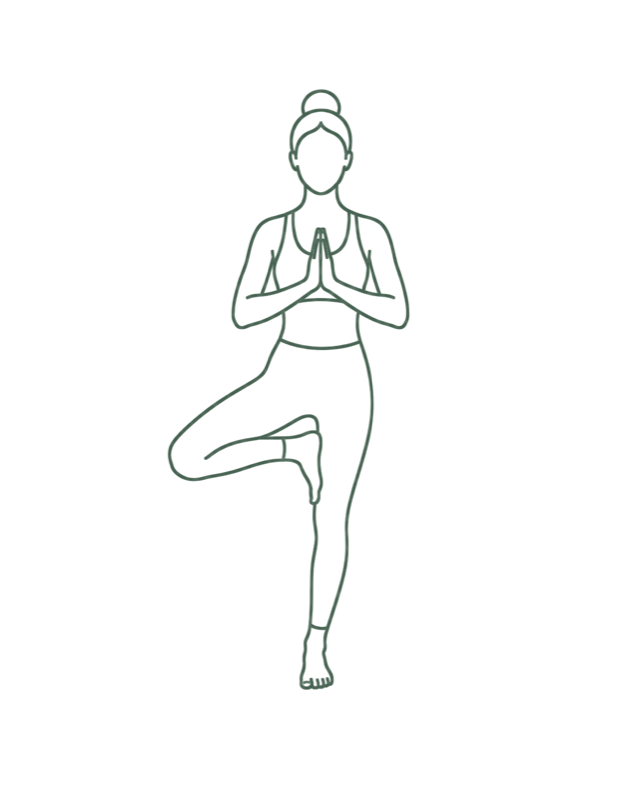
The short answer: You do not need an advanced practice to start a 200-hour training. Arrive with a consistent personal practice, a system for capturing every sequence and cue you learn, a little anatomy vocabulary, and realistic expectations about practicum nerves. The habits you build for keeping material matter more than how deep your backbend is.
What a 200-hour training actually is
Most 200-hour programs split their time between asana practice and technique, teaching methodology, anatomy and physiology, philosophy and history, and practicum, which is the part where you teach real sequences to your fellow trainees. The exact split varies by school, but the shape is the same everywhere: a lot of practicing, a lot of notes, and at some point, you at the front of the room.
Two things surprise most trainees. The volume of material, because you will be handed more sequences, cues, and concepts in a month than you can possibly hold in your head. And the practicum nerves, because knowing a sequence on your mat and delivering it to twelve watching people are different skills.
Both have the same answer: a system, not a bigger memory.
Before it starts: consistency beats intensity
The best preparation is not deepening your backbend. It is practicing consistently, even 20 minutes a day, so your body is used to daily volume, because trainings are physically repetitive in a way drop-in classes are not.
A little vocabulary helps too. You do not need an anatomy course before your anatomy course, but knowing words like flexion, extension, and neutral spine means the first week builds on something instead of introducing everything at once.
And sleep. Trainings are long days. The trainees who struggle most are usually the ones who tried to keep their whole normal life running alongside.
The habit that matters most: capture everything
Here is the thing nobody tells you before YTT: the sequences you learn during training are the raw material for your first year of teaching. The trainees who leave with a usable library have a massive head start over the ones who leave with three notebooks they can no longer decipher.
So decide, before day one, where sequences go. Every flow your lead teacher walks you through, every mini-sequence from a methodology session, every cue that lands on you in savasana: capture it the same day, in one place, in a form you can actually teach from later.
This is exactly what I built Cue for, and YTT students may be the people it helps most. Each sequence becomes a visual class you can rebuild in minutes, every pose has a field for the exact cue your teacher used, and the whole library is still there, searchable, when you are planning your first paid class six months later. Paper works too. What matters is that it is one system, kept current, in a form future-you can read.
Practicum: it is a working-memory problem, not a courage problem
When you blank in front of your peers, it is not because you are not cut out for this. Teaching loads your working memory past capacity: the sequence, the sides, the words, the watching faces. Every trainee feels it, including the confident ones.
The preparation that works is structural. Build your practicum sequence in clear sections, in repeating chunks of three or four poses. Write the cues you will actually say, not the pose names. Rehearse the transitions in your body once. And teach from a glanceable plan rather than memory, which is what working teachers do anyway. There is real cognitive science behind why this works.
After you graduate
Your first real classes will lean almost entirely on what you captured during training. Reuse without guilt: adapting a sequence you learned, teaching it, and making one note afterwards about what landed is how every teacher you admire built their material.
The certificate says 200 hours. The library you walk out with is the part you will actually use.
Frequently asked questions
Do I need to hold advanced poses before starting a 200-hour training? No. Trainings are designed for dedicated students, not advanced ones. Consistency of practice matters far more than depth, and you will learn modifications for everything. Nobody fails YTT over a handstand.
How much anatomy should I know before YTT? Basic vocabulary is plenty: major muscle groups, flexion and extension, the idea of a neutral spine. The training will teach the rest. Arriving with the words just makes week one less overwhelming.
What should I bring to yoga teacher training? Beyond the reading list your school sends: a way to capture sequences and cues that you will still understand months later, whether that is a structured notebook or a planning app, and clothes and food for long, repetitive days.
How do I practice teaching before practicum? Teach tiny pieces early: one sun salutation to a friend, out loud, with real cues. Speaking is a different skill from knowing, and the first out-loud rep is the hardest. Build from five minutes up, and teach from a written plan so nerves cannot erase the sequence.
Plan it once. Teach it present.
Cue keeps your sequence, your own cues, the breath and the timing on one screen you can read from across the room. Free to start, and it runs in a browser.
Keep your YTT sequences in Cue