Planning notes
Short, practical writing on planning and teaching yoga, from Cue.
Nothing matches that yet. Try "planning", "sequence", "breath", or "AI", or tell us what you were hoping to find.
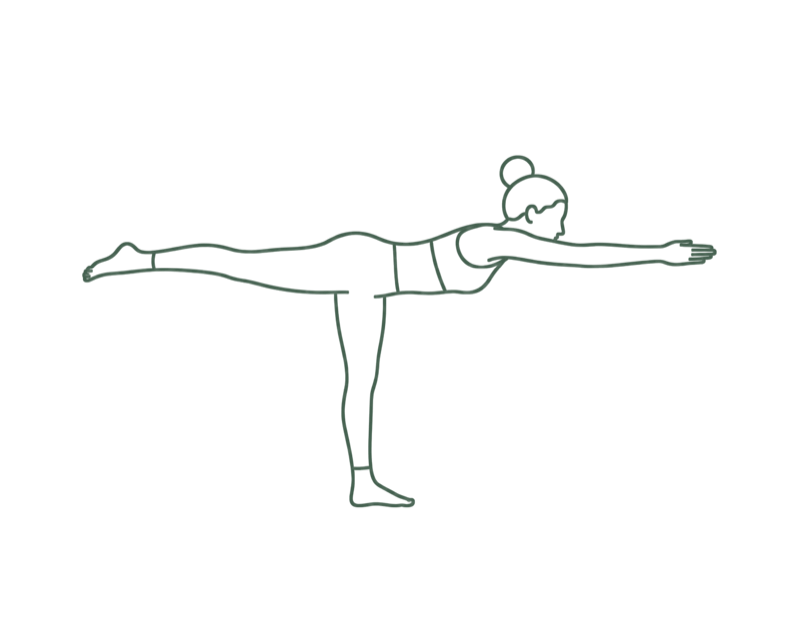
How to plan a yoga class, step by step
A five-step method: decide what the class is about in one sentence, pick the peak, build backwards, and keep a note about what worked.
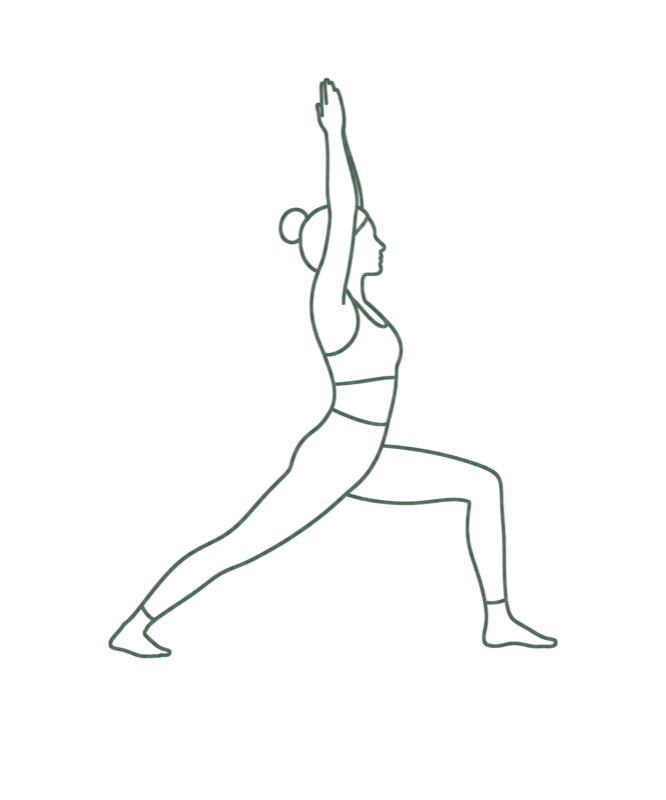
How to sequence a Vinyasa yoga class
The arc every flow shares, sun salutations as your engine, phrases that repeat and grow, and a descent that protects savasana.
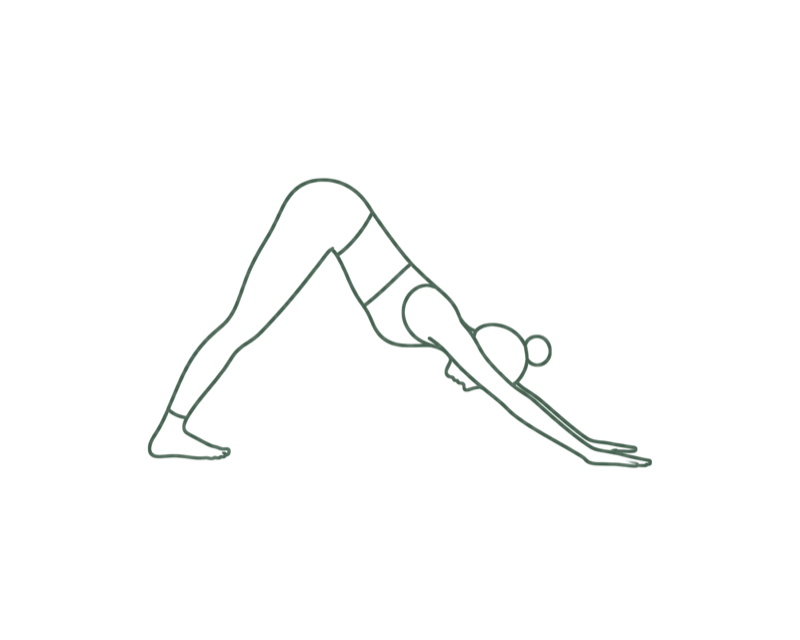
How to remember your yoga sequence while teaching
Chunks, anchor poses, one body rehearsal, and a glanceable plan. The goal is not to remember harder, it is to hold less in your head.
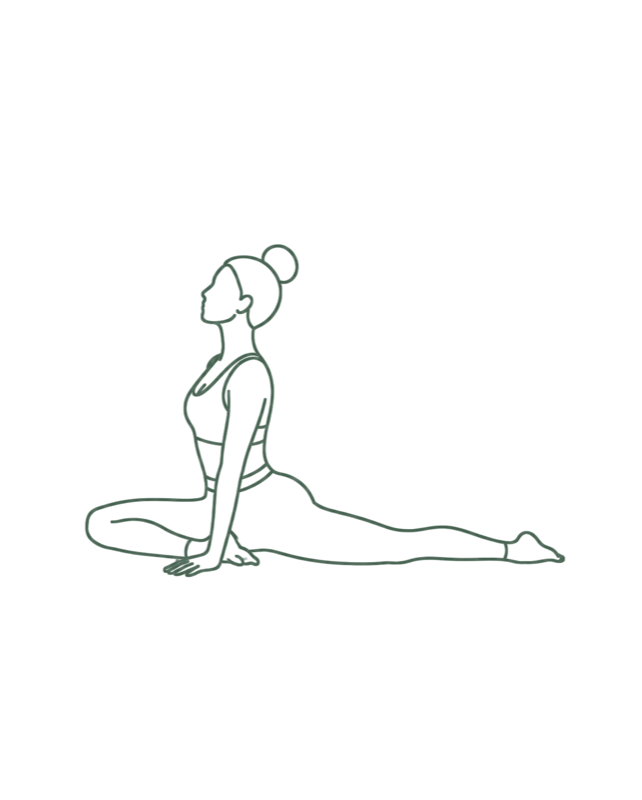
How long should you hold a yoga pose?
Hold times by style and purpose, how long one breath really is, and what the stretching research actually says.

Why staying present while teaching is so hard
Working memory, cognitive offloading, and what surgeons can teach yoga teachers about performing under load.
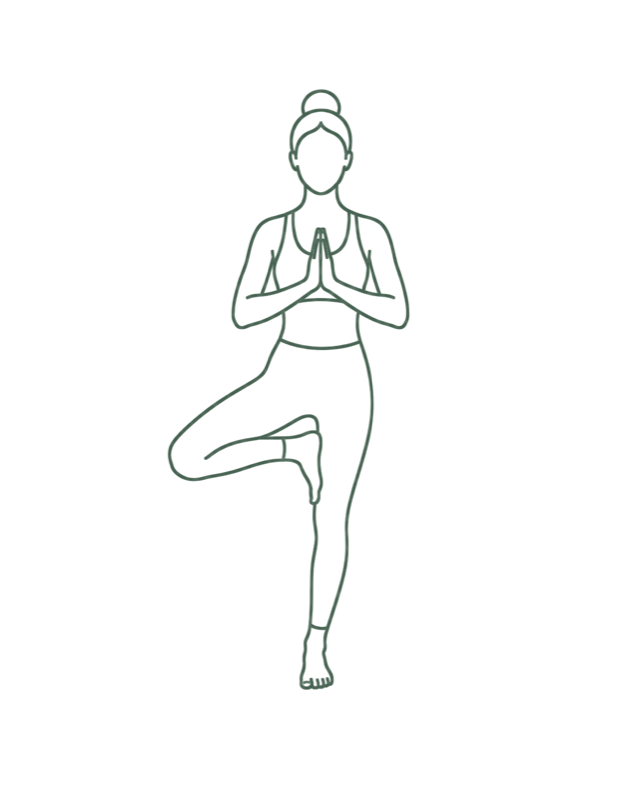
How to prepare for your 200-hour teacher training
What to expect, what actually helps beforehand, and the capture habit that sets up your first year of teaching.
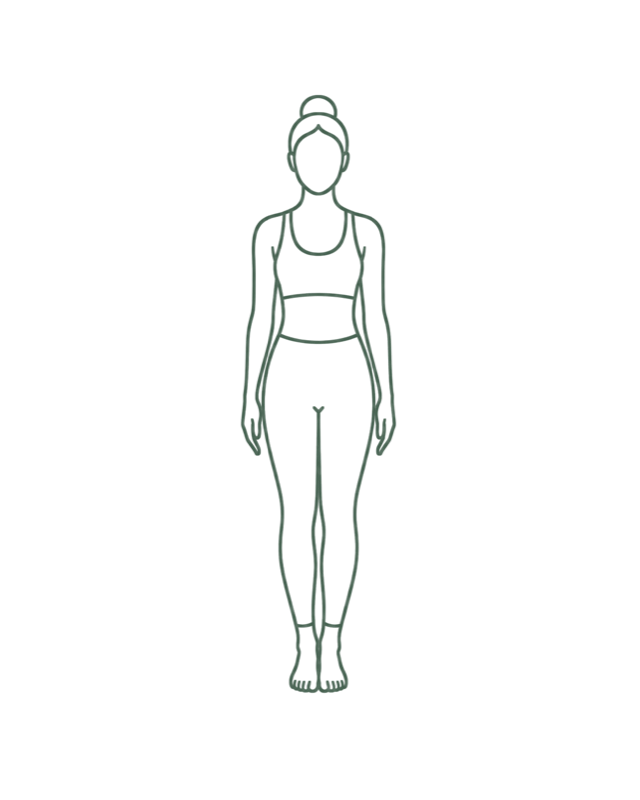
Yoga cues: how to say less and teach more clearly
Verb-first phrasing, one action at a time, breath before movement, and knowing when silence teaches better than words.
Should you use AI to help plan your yoga classes?
What AI drafts well, what it cannot know about your room, and four rules for using it without losing your voice.
Write for Cue
Do you teach yoga or movement, and like to write? This blog publishes practical, honest pieces by working teachers: planning methods, cueing, timing, the things you worked out the hard way. Every article is bylined and links back to you.
Pitch an idea · cueyogaapp@gmail.comPlan it once. Teach it present.
Cue keeps your sequence, your own cues, the breath and the timing on one screen you can read from across the room. Free to start, and it runs in a browser.
Open Cue in your browser